Home Window Tinting: Save Energy and Privacy
Explore home window tinting benefits, options, costs, and maintenance for energy savings and privacy.
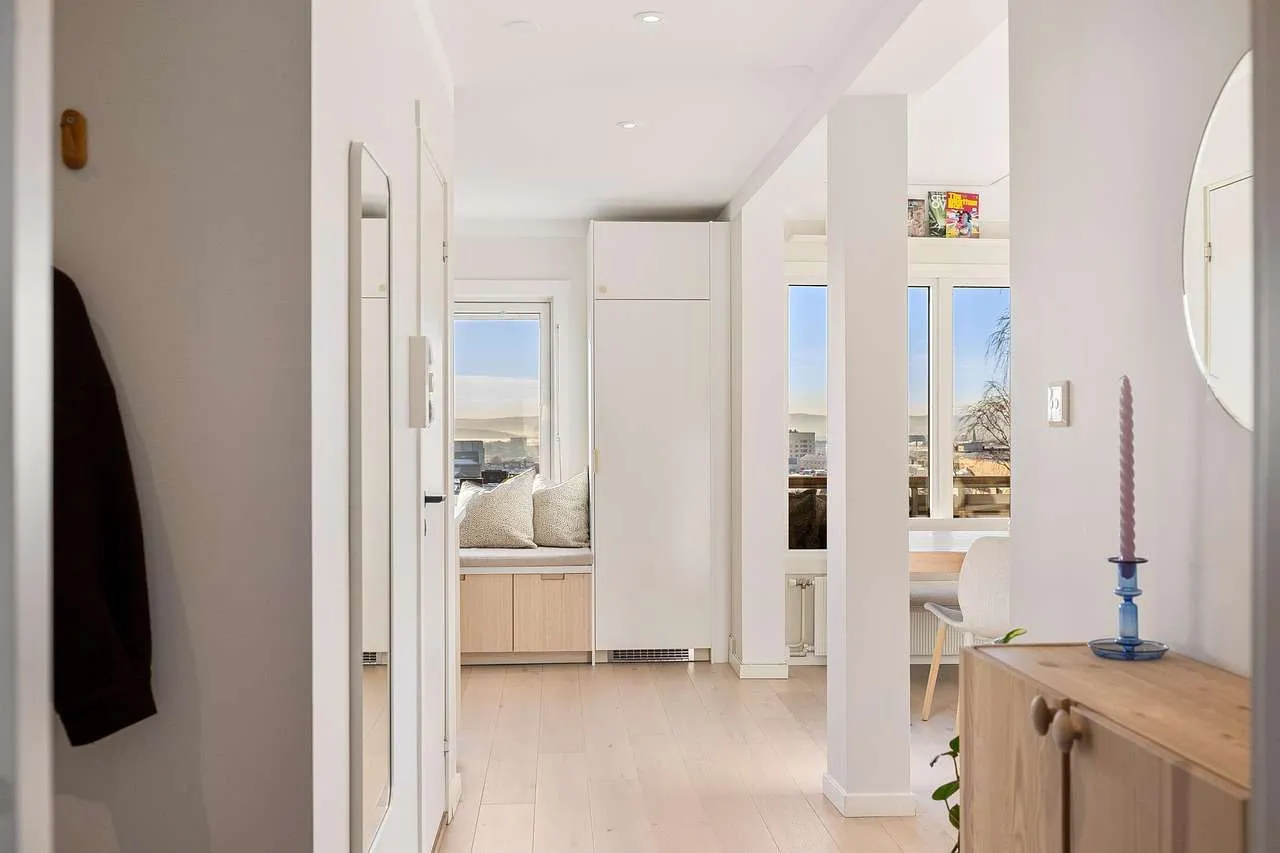
Home window tinting is a popular upgrade for residences seeking comfort, privacy, and energy efficiency. Modern window films are designed to block heat and UV while preserving natural light. This guide covers what it is, how it works, how to choose a film, installation options, costs, and maintenance—so you can make an informed decision.
What is home window tinting?
A window film is a thin laminate applied to glass. It can be dyed, metalized, ceramic, or carbon based. It adheres to the glass with an adhesive layer and seals to prevent peeling. The film reduces solar heat gain and glare while preserving visibility from inside the home.
Benefits of home window tinting
Energy efficiency and UV protection
Quality films block up to 99 percent of UV radiation and can significantly reduce heat transfer. In hot climates, that translates to lower cooling loads and more comfortable rooms during peak sun hours.
Glare reduction and privacy
Tinting reduces glare on screens and in living spaces. It improves privacy during daylight hours without sacrificing exterior visibility, especially on higher shade levels or in rooms with large windows.
Safety, durability, and return on investment
Many modern films hold shards of glass together when a window is broken, reducing injury risk. Most reputable films carry warranties of 10 to 15 years and can increase occupant comfort and, in some markets, property appeal, contributing to a favorable ROI through energy savings.
Choosing the right tint
Types of window film
- Dyed films offer color and a darker appearance at a lower cost but may fade over time.
- Metalized films reflect heat but can sometimes interfere with electronics and have a shinier look.
- Ceramic films are non metal and high performing, offering clear sightlines and strong heat rejection.
- Carbon films provide a matte appearance with durable color and solid heat rejection.
VLT and shade guidance
Visible Light Transmission (VLT) measures how much light passes through. For homes, common ranges are 35 to 70 percent. Lower VLT increases privacy and heat rejection but reduces daylight. Consider climate, room function, and local regulations when selecting shade, especially for street-facing windows.
Professional installation vs DIY
DIY tint kits are available, but achieving a flawless finish requires skill with edge sealing and bubble-free application. Professional installers ensure even coverage, proper installation, and a warranty. They verify surface preparation, clean glass, and post installation inspection, and they handle any warranty terms with the manufacturer.
Costs and maintenance
Costs vary by film type, brand, window size, and location. A typical residential project can range from 5 to 12 dollars per square foot, with premium films or large homes costing more. Over time, tint reduces cooling costs, improving energy efficiency and comfort. To maintain the film, clean with a soft cloth and mild soapy water; avoid harsh chemicals and abrasive scrubbers that can scratch or cloud the film. Do not attempt removal without professional help if a warranty is involved.
Comparison: DIY vs Professional
| Aspect | DIY | Professional |
|---|---|---|
| Cost | Lower upfront | Higher upfront but with warranty |
| Quality | Highly variable; risk of air bubbles | Consistent, smooth finish |
| Warranty | Often limited or none | Extended warranties available |
| Time and disruption | Self-managed; days of work | Usually quick, scheduled work |
| Appearance | Depends on skill | Professional-grade appearance |
Conclusion
Conclusion, home window tinting offers energy savings, UV protection, glare control, privacy, and enhanced safety. By selecting the right film type and shade and working with a reputable installer, homeowners can maximize comfort, protect furnishings, and achieve a solid return on investment while preserving a bright, inviting interior. Plan your project, compare warranties, and choose a trusted professional to ensure a durable, aesthetically pleasing result.