tpo roofing: A Smart Choice for Flat Roofs
A concise guide on tpo roofing: benefits, installation tips, durability, and comparisons.
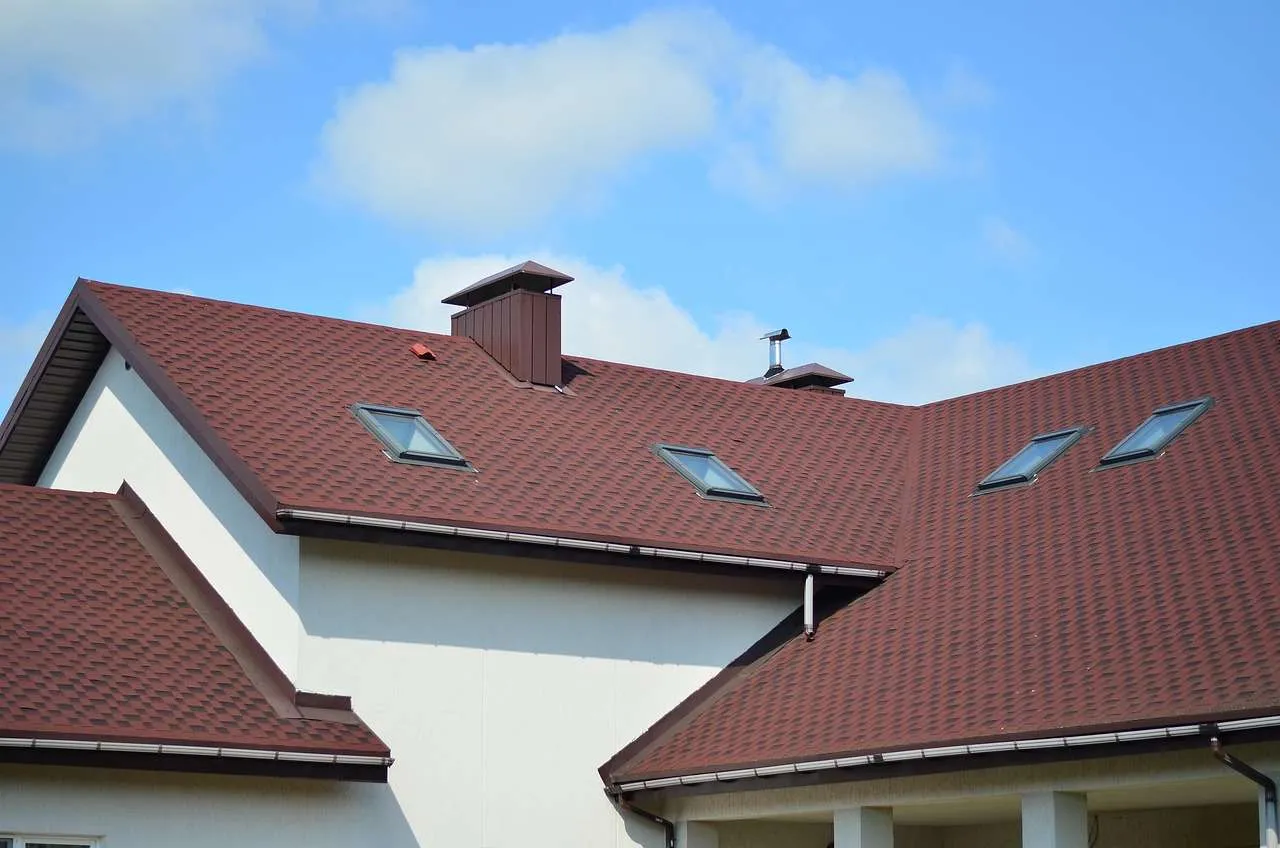
TPO roofing, short for thermoplastic polyolefin, is a popular single-ply membrane favored on flat and low-slope roofs. Its white reflective surface reduces heat gain while offering durability, repairability, and competitive lifecycle costs. This article explains what tpo roofing is, who should consider it, installation basics, maintenance tips, and how it stacks up against other roofing options, with guidance on finding a qualified contractor to uphold EEAT standards.
What is TPO roofing?
TPO is a heat welded membrane typically installed in sheets that range from 45 to 60 mils thick. It is made of a flexible, reflective compound reinforced with either fiberglass or polyester fabric. Seams are welded at high temperature to form a monolithic surface, and the system can be installed as mechanically fastened, fully adhered, or ballasted. The result is a lightweight, weather-resistant roof with good puncture resistance and excellent possible reflectivity, especially when finished in white or light colors.
Composition and installation basics
Most modern TPO membranes are designed for easy field detailing around penetrations, edges, and roof penetrations. The installation method—mechanically fastened, fully adhered, or ballasted—affects wind uplift performance and, sometimes, long-term maintenance considerations. When installed correctly by trained crews, TPO seams form a watertight bond and can be backed by manufacturer warranties that cover both materials and workmanship.
Benefits of TPO roofing
- Excellent energy efficiency due to high reflectivity, reducing cooling loads in hot climates
- Lightweight and fast to install, lowering labor time and roof load
- Repairable and seam-welded for long-term watertight performance
- Flexible in cold weather and compatible with many roof substrates
- Recyclable and typically has favorable lifecycle costs in the right climate
Installation considerations
Choosing the right installation method is important for performance and warranty eligibility. Fully adhered systems tend to provide uniform insulation performance and are ideal for roofs with irregularities, while mechanically fastened systems offer quick installation and wind uplift benefits in certain regions. Ballasted TPO is less common on new builds but can be used on certain substrates with proper ballast and detailing. Regardless of method, proper surface preparation, membrane cleaning, and precise seam welding are critical to success. Always hire a contractor with current manufacturer certifications and a track record of quality work.
What to verify with your contractor
Ask for a written warranty covering materials and workmanship, request references, and review project photos or site visits. Confirm the installation method, expected cure times for adhesives (if used), and the care requirements in your climate. Ensure a comprehensive maintenance plan is included, with periodic inspections after severe weather and guidance on puncture repair and seam maintenance.
Durability and maintenance
TPO membranes are designed to resist algae, UV exposure, and weathering more effectively when properly selected for the climate and correctly installed. Punctures from foot traffic or sharp objects are a common concern on flat roofs; routine inspections and prompt repairs help extend the life of the membrane. Clean the roof using non-abrasive cleaners and avoid harsh solvents that can degrade the surface. Regular inspections should focus on edges, penetrations, seams, and flashings, especially after hail or heavy wind events.
Cost and lifecycle considerations
Compared with other single-ply options, TPO generally offers a moderate upfront cost with favorable energy-saving potential, particularly in sunny climates. The total cost is influenced by roof size, membrane thickness, chosen installation method, and local labor rates. When paired with a solid maintenance plan and a robust warranty, TPO can deliver competitive lifecycle costs. Always compare quotes from installers who can demonstrate proper testing, seam-welding capabilities, and a documented QA process.
Comparison with alternatives
| Feature | TPO | EPDM | PVC |
|---|---|---|---|
| Typical lifespan | 15–20 years | 20–30 years | 20–30 years |
| Energy efficiency | Excellent (white reflective) | Moderate (usually black) | Excellent (white) |
| Installation method | Heat welded seams | Heat welded or taped seams | Heat welded seams |
| Cost relative | Moderate | Lower | Higher |
| Repairability | Good | Good | Very good |
Choosing a contractor
To preserve EEAT in your project, hire a contractor with proven credentials, current manufacturer certifications, and verified project histories. Seek local references, request a warranty comparison, and confirm the planned installation method aligns with your climate and roof structure. A quality TPO project includes proper surface prep, accurate seam welding, detailed flashings, and a documented maintenance plan for ongoing performance.
Maintenance and long-term care
Establish a routine maintenance schedule that includes annual inspections and prompt repair of any punctures, seam separations, or flashing issues. Clean the membrane as needed using non-abrasive cleaners and avoid chlorine-based cleaners or solvents that could degrade the material. Early detection of issues, professional repairs, and adherence to warranty requirements help maximize the roof’s lifespan and performance.
Conclusion, TPO roofing offers a balanced combination of energy efficiency, ease of installation, and repairability, making it a strong option for flat and low-slope roofs across diverse climates. When installed by qualified professionals with a solid maintenance plan, a TPO system can deliver reliable protection, moderate upfront costs, and favorable long-term value for building owners.